

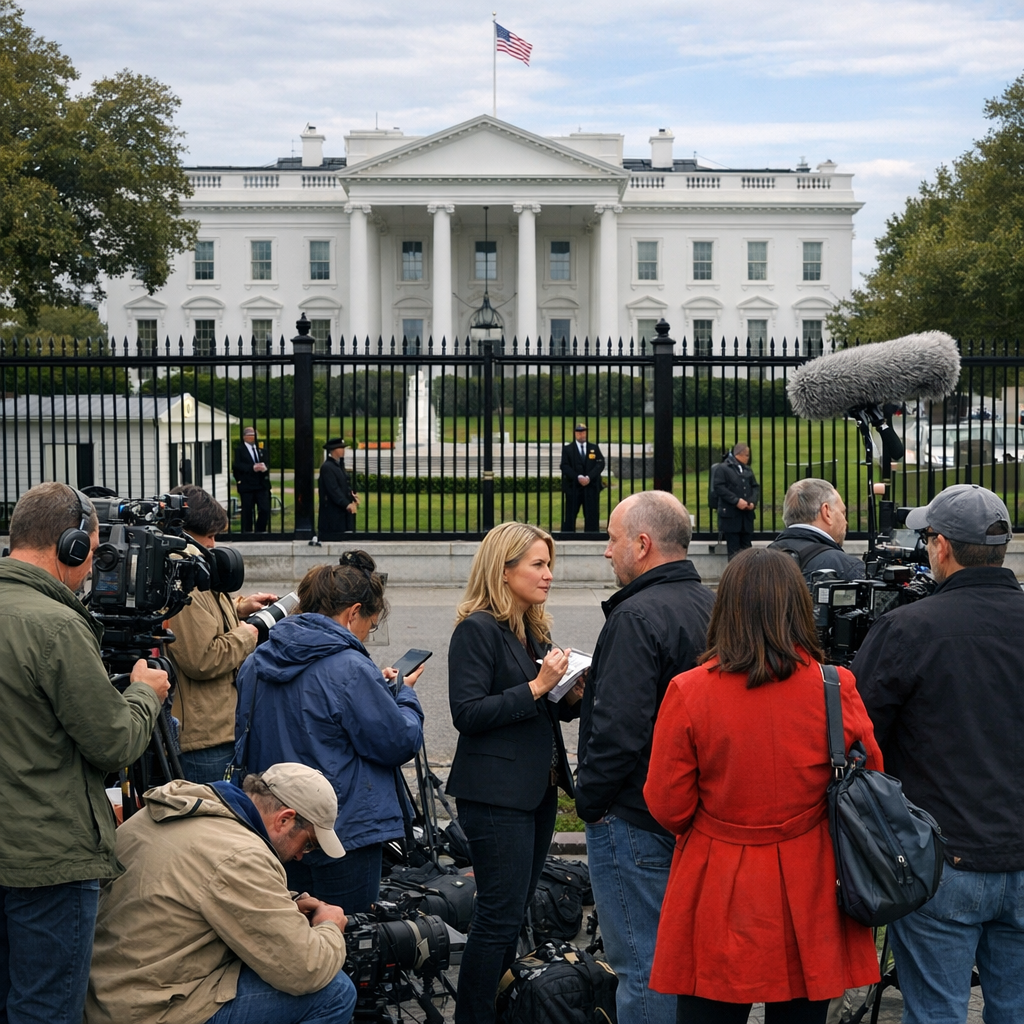
WASHINGTON — In a significant decision upholding press freedoms, a judge has ordered the White House to restore access to reporters from CNN, Politico, MS NOW and other outlets that had been barred for their coverage of the Trump administration. The temporary ban drew swift criticism, raising questions about constitutional limits on executive power and the future of media relations with government officials.
What sparked the ban
The dispute stemmed from President Trump’s announcement that he was banning certain outlets from White House access “as a result of their constant ‘reporting’ fake news.” The decision included CNN, MS NOW and Politico. The White House defended the exclusion as a response to what officials described as unfair, misleading reporting. Critics immediately raised concerns about censorship and First Amendment protections.
Court intervenes — what it ruled
A federal judge reviewed a lawsuit filed by the affected media organizations, finding that revoking press credentials without due process was likely unconstitutional. The judge’s order mandates that the White House reverse the access revocation for the named outlets, pending a fuller legal hearing. Sources report that access was reinstated within hours after the ruling.
Wider implications
This case shines a spotlight on tensions between the executive branch and the press—especially during a politically charged moment. As midterm elections approach, both major parties are under pressure to balance political messaging with institutional norms. Many legal experts see this ruling as a reinforcement of the principle that press access is “not a privilege,” but a protected element of democratic accountability.
The administration has pushed back, with the Department of Justice filing statements that characterize access to the White House complex as a privilege tied to behavior, national security, and potential regulations. However, legal precedents place limits on those conditions, making it likely this dispute will become part of ongoing litigation.
What to watch next
- Whether the administration appeals the ruling and under what legal arguments.
- How White House officials adjust media policy moving forward—especially around credentialing and transparent criteria.
- What pressure this puts on Congress or the courts to create clearer guidance on press access and executive authority.
For Everett residents monitoring national trends, this incident underscores recurring tensions in democratic oversight. As federal institutions face criticism and division, the rule of law and free press remain central to preserving public trust.